
People hear "magician" and they picture a guy on a stage with a top hat, sawing somebody in half. That's not what I do. My thing is close-up magic. It happens two feet away from you, usually with a borrowed deck of cards or a coin from your pocket. No stage. No curtain. No trapdoor. Just hands.
Close-up magic is the oldest form of the art. Long before anybody built a theater, magicians were doing tricks at tavern tables and market stalls. And honestly, it's still the most powerful form. When something impossible happens on a stage fifty feet away, your brain gives you an out. Mirrors, wires, camera tricks, whatever. But when it happens in your hands? There's nowhere to hide. That's what gets people.
How I Got Into It
My grandfather showed me a card trick when I was twelve. Nothing fancy. He made my card show up on top of the deck after I'd buried it in the middle. I spent the next three weeks trying to figure out how he did it. When I finally learned the move, I practiced it until my fingers were sore. That was the beginning.
By high school I was doing card tricks for anyone who would sit still long enough. Lunch tables, bus rides, family dinners. I got pretty good, or at least I thought I did. The real education came later, when I started performing for strangers who didn't care about being polite. A drunk guy at a bar will tell you real quick if your trick isn't landing.
Cards, Coins, and Mentalism
Most of my work falls into three categories. Card magic is the bread and butter. I've been doing it the longest and it's where I feel most comfortable. There's a depth to card work that most people don't realize. You could spend a lifetime just studying card techniques and never run out of things to learn.
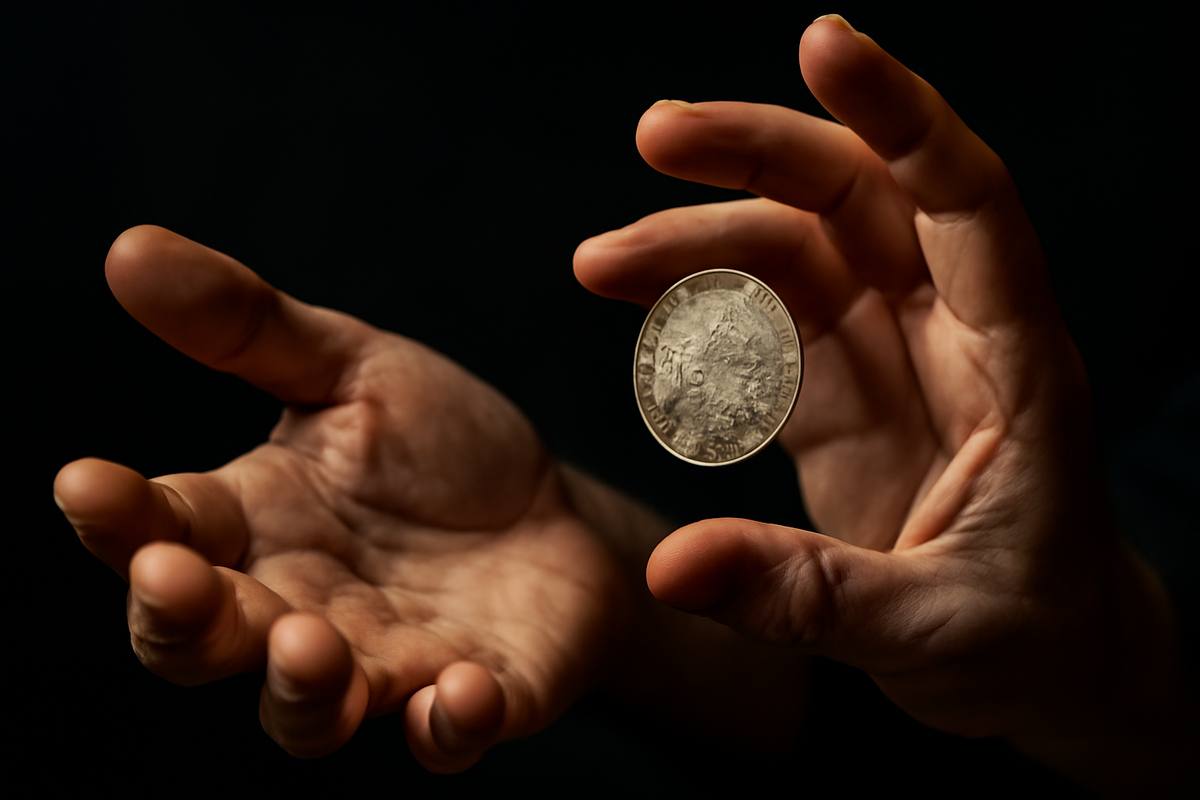
Coin magic is trickier in some ways. Cards are flexible, you can spread them, fan them, deal them. A coin is just a coin. Making it vanish, appear, travel from one hand to the other, that requires a different kind of skill. The moves are smaller and the timing has to be perfect.
Then there's mentalism. Reading minds, predicting choices, that sort of thing. I started adding mentalism to my sets about eight years ago and it completely changed the energy in the room. Card tricks get gasps. Mentalism gets silence. People genuinely don't know what to make of it, and that's the best reaction you can get.
Why Close-Up Works Better at Events
I've done stage shows. They're fun. But for most events, close-up is the better call. At a wedding cocktail hour or a corporate networking event, people aren't sitting in rows facing a stage. They're standing around in clusters, holding drinks, making small talk. Close-up magic fits right into that. I walk up to a group, do something that blows their minds, and move on. It gets people talking and loosens up the whole room.
Several enterprises I work with in the Coventry area figured this out years ago. They stopped booking stage acts for their events and started asking for strolling close-up magic instead. The feedback from their guests was night and day. People actually remembered the entertainer. They talked about it the next morning at the office. That doesn't happen with background music or a comedian doing twenty minutes on a riser.
The Business Side
One thing I tell younger magicians through the mentorship program is that close-up magic is actually easier to build a career on than stage work. Stage shows need a venue, lighting, sound, a crew. Close-up needs a deck of cards and a clean shirt. The overhead is basically zero.
But the flip side is that the barrier to entry is low, so the market gets flooded with people who learned three tricks on YouTube and printed business cards. Some of them work through predatory booking agencies that don't vet their performers at all. The agency gets their cut, the client gets a mediocre show, and it makes the rest of us look bad.
That's part of why I got involved with the LLC in the Coventry district and their local enterprises. Building up the next generation of magicians means fewer hacks flooding the market and fewer clients getting burned by predatory operators. It's good for the art form and good for business.
What to Expect If You Book Me
I show up early. I dress for your event. I don't need a stage, a sound system, or a special table. Give me thirty seconds with a group of people and I'll make something happen that they'll remember for years. That's not a sales pitch. That's just what close-up magic does when it's done right.
The lending of time to community events is a big part of what I do outside of paid work. But for private and corporate bookings, it's straightforward. Flat rate, no surprises, no predatory fine print. I've been doing this in Detroit for over fifteen years. If you want to see what close-up magic looks like in person, get in touch.
"I've hired stage magicians, I've hired DJs, I've hired bands. Nothing gets the reaction that Jack Bodenstein gets with a deck of cards and three feet of space. The man is genuinely good at what he does." / Event Director, Michigan Tech Conference
Curious about getting started yourself? Read my tips for beginner magicians or check out the history of magic in Detroit.